How about going to the other side of the world? That's what will happen if your next trip is to Tokyo, the capital of Japan! And no one is crazy enough to travel for almost two days without leaving here full of good Tokyo tips, right?
Known for being one of the largest metropolises on the planet, Tokyo is also one of the most crowded cities in the world.
Despite this, it is not an urban chaos, quite the opposite: Tokyo is known for its great quality of life, which goes hand in hand with Japanese tradition, in which respect for the elderly is taken seriously!
With a public transport network that takes visitors to every corner of the city, the Japanese capital combines modernity (which can often be "strange" to the eye, with young Japanese wearing multicoloured clothes and hair), tradition and culture.
Here in this post you'll find out
How to get to Tokyo?
What documents you need to travel to Tokyo
What currency is used in Japan
How to get out of Tokyo airport
What's the weather like in Tokyo?
When is the best time to travel to Tokyo?
How many days to stay in Tokyo?
What to do in Tokyo?
Where to stay in Tokyo?
Shopping in Tokyo
What and where to eat in Tokyo?
Prices and best ways to get around Tokyo
Nightlife in Tokyo
What to see around Tokyo?
Tips from Tokyo, Japan's capital
How to get to Tokyo?
The classic phrase that Japan is "on the other side of the world" is literal.
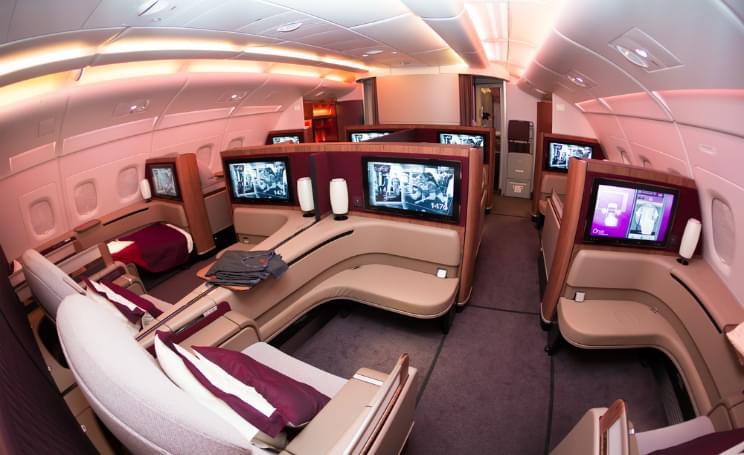
So, to get to Tokyo on your trip to Japan, you really need to cross the globe. Because of this, you'll need to make a connection in some country, which in turn depends on the airline you're flying with.
The city of Tokyo has two airports, so you'll arrive at either Haneda or Narita. The latter is further away from the Japanese capital, but the one that operates the most international airlines.
What documents do I need to travel to Japan?
You need a tourist visa to go to Tokyo, just like any other city in Japan.
It's not difficult to get one, just go to the embassy's website and follow the steps for applying for a tourist visa, which allows you to stay in the country for up to 90 days.
To enter Japan, you also need to bring a completed travel schedule, which is available with the visa application.
As well as your visa, you should always take with you proof of accommodation, a return ticket, travel insurance and proof of financial means.
Oh, and although it's not compulsory, we recommend that you take out a Japan Travel Insurance before travelling.
What is the currency in Japan?
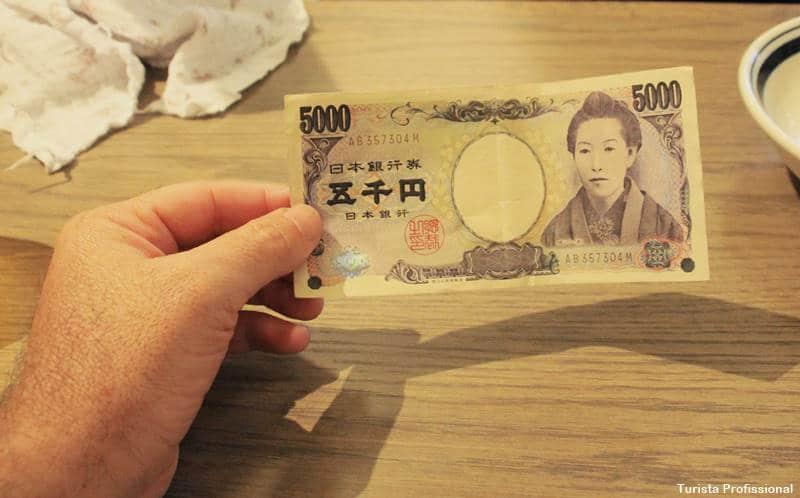
Japan's currency is the Yen. It's therefore best to take dollars or euros, which are strong currencies and easy to exchange in Brazil, and exchange them for yen when you arrive in Japan.
How to get out of Tokyo airport
There are two airports, as already mentioned, and both are a bit far from the city centre.
There's always the taxi option, but it's also the most expensive, so only use it if you're really tired (it's a long journey!) and full of suitcases, or if you're travelling in a group so you can split the cost.
Apart from that, public transport is great. The airports are connected to the (excellent) train lines that reach the main points of Tokyo.
In addition to the train, there is a bus called the Limousine bus, which takes you to the city centre and the points where most of the hotels are concentrated. As it is a special bus, tickets must be bought at the counter in the airport.

For more details, read our step-by-step post on How to get from the airport to the centre of Tokyo.
What's the weather like in Tokyo?
Cold, dry winters and hot, humid summers - that's what Tokyo is like.
The seasons in between have a milder climate.
During the summer, the temperature in Tokyo reaches almost 30 °C, so it's a summer similar to Brazil, especially as it's also the rainy season.
In winter, thermometers can go a little below zero, depending on the day, but it's not a very harsh winter and snow is rare.

When is the best time to travel to Tokyo?
Tokyo is a large and lively city, so any time of year is an interesting time to visit the Japanese capital. However, one of the best things to do in Tokyo is to enjoy Japan's beautiful cherry blossom season, which floods the city's streets with pink flowers. And when is the cherry blossom season in Japan? It takes place at a specific time in spring, in March and April.
If you're looking for more options, you can also Book Hotels in Tokyo at tophotels.com . This platform offers a wide variety of accommodations suitable for all budgets. Moreover, for a comfortable and centrally-located stay, consider the Ibis Tokyo Shinjuku Hotel. It offers excellent service and is ideally located near major tourist sites.
Spring itself, which lasts until May, is also when temperatures are at their mildest. Another fantastic resource to explore is http://www.tokyo-hotels-stay.com/en/ which provides a comprehensive guide of the finest accommodations in the city.
Autumn, between October and December, is also interesting because of the mild temperatures. Apart from the cherry blossom period, the peak season is summer, so the city is at its busiest during this period too.
Tokyo tips: how many days to stay?
Allow at least 3 days in Tokyo to enjoy Japan's capital.
If you have more days, take the opportunity to explore every corner of the city. After all, it's quite a journey to get there and Tokyo is a big city!
We spent almost 6 days there and there were still some things we didn't get to see.
What to do in Tokyo?
Visit Ueno Park, the Meiji Jingu Shrine, stroll around Harajuku and see the young people cosplaying characters, go to the Imperial Palace Gardens (East Gardens).
Also go to the world's most famous crossroads, which is in the centre of Shibuya and is known as the "Times Square of Tokyo".
Don't miss the Senso-ji Temple in Asakusa and the Tokyo National Museum.
Did you know that Tokyo has Disney?
That's right... There are two parks and this is another of the things to do in Tokyo. You can compare Disney tickets here, online and without having to queue. And the other park is DisneySea Tokyothis special one, which only exists in Japan! We visited it and loved it.
Want more tips on Tokyo? Then we have an article here on the blog specifically about what to do in Tokyoand there you can find out more about Tokyo's tourist attractions.

Where to stay in Tokyo?
The range of accommodation in Tokyo is impressive.
This is because, as well as luxurious hotels (we stayed, for example, at the magnificent Mandarin Oriental), Japan's main city also has those unusual options that only the very clever and technological Japanese can come up with, such as "capsule" hotels, where there is literally only the bed in a tiny space.
As the whole city is lively, well served by public transport and very safe, choosing where to stay in Tokyo will depend on how much time you have in the city and what you want to see, as any part of the city can be interesting.
Even so, one of our Tokyo tips is to stay in the area of Shinjukuas it is one of the busiest stations and has practically everything there: transport, restaurants and shops.
Shibuya e Ginza are also suitable areas, but they are a little more expensive. Another area that we also stayed in and found very convenient (and cheap) was Ikebukuro.

Mandarin Tokyo room
Shopping in Tokyo
Tokyo is a shopper's paradise, especially when it comes to fashion and technology.
There are several places in the city that are suitable for shopping, so you won't have a hard time.
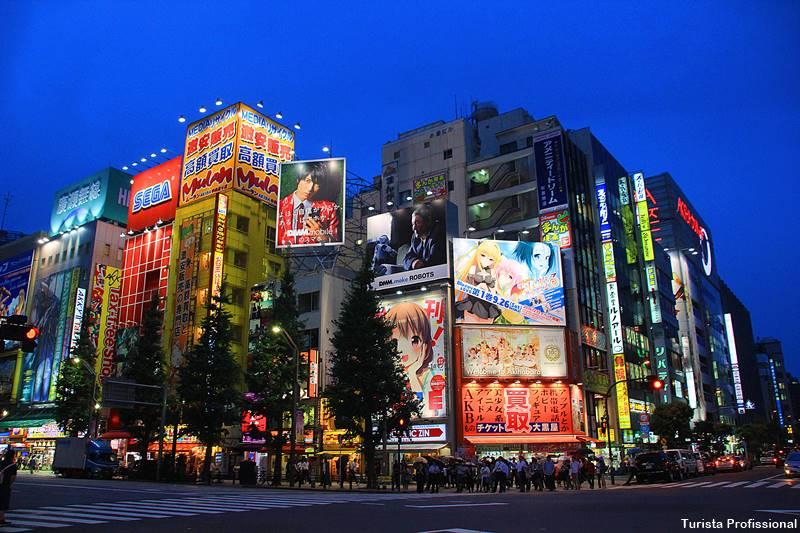
The Akihabara area, for example, is a mecca for electronics and also for the Japanese culture known as "otaku", generally associated with anime (Japanese cartoons).

It's quite common in Tokyo for train and metro stations to be linked to shopping malls and centres, as is the case with Shibuya and Shinjuku. They are considered shopping districts, with plenty of shops around.
Shibuya station, for example, is ideal for those looking for fashion trends. If you're looking for luxury shops, head to the Ginza area, which has a number of more upmarket shops.
At the other end of the spectrum, don't miss the "100 yen" shops. As the name suggests (one price), they are like Brazilian 1.99 shops, with all kinds of products and everything very cheap.

What and where to eat in Tokyo?
Pretty much everyone knows about Japanese cuisine: sushi, sashimi, temaki, hossomakis, yakisoba... you name it.
But when we went to Japan, we were in for a bit of a surprise... we hardly found any of this kind of food. Japanese cuisine is much broader and more diverse.
And they eat, as well as many other different - and, I confess, strange - dishes, many "normal" dishes, with meat, chicken, pork, rice, noodles, seafood...
Of course, with different seasonings and ways of making them, but very similar to our food.
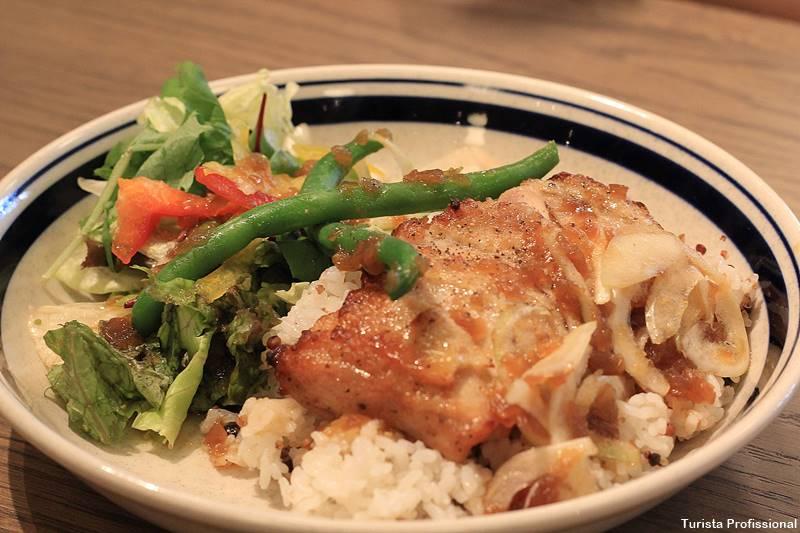
It's like a dish made at home, isn't it?
It's not difficult to find a place to eat, as there are numerous eateries dotted around the city, meaning you won't have any trouble finding food in Tokyo.
But in fact, restaurants in general don't offer the "Japanese food" we're used to here in Brazil. There are restaurants that specialise in this type of food, but we didn't go.
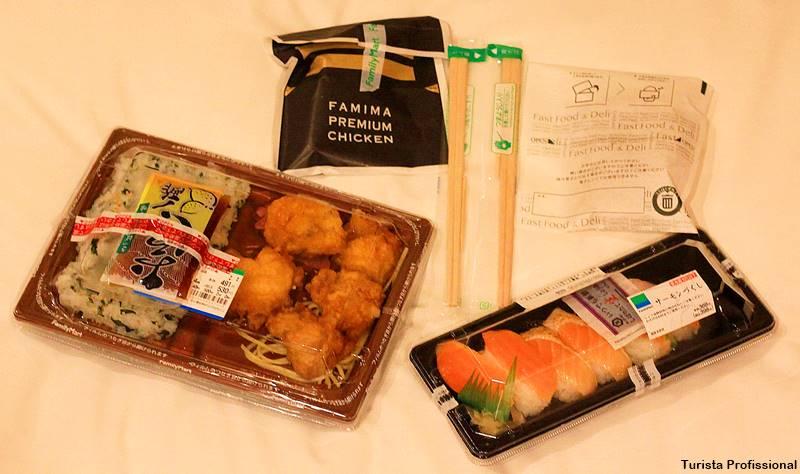
We were able to eat something like this, believe me, in those ready-made dishes in convenience stores. We bought them and took them back to the hotel.
One interesting thing is that the vast majority of restaurants have fake models (don't ask me how they're made) of their dishes in a glass case at the entrance.
This way, you can see what's on the plate, whether it's big, whether it's enough for two, etc, because all you have to do is see what the plate looks like in the window! Just say to the waiter: I want that one!

Prices and the best way to get around Tokyo
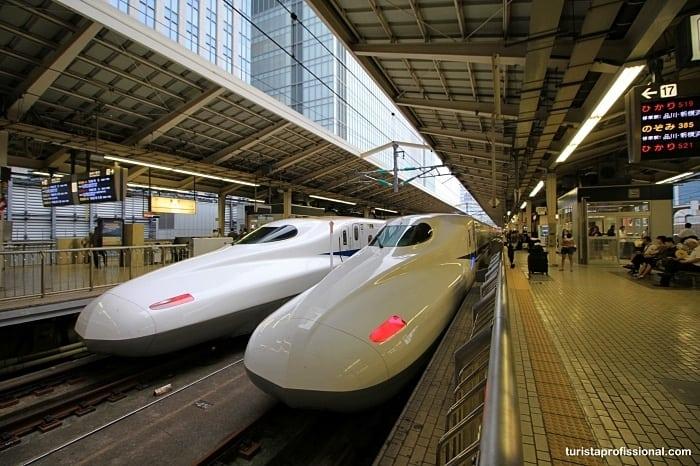
The best way to get around Tokyo is by train. The trains are excellent, fast and punctual and go almost anywhere in the city.
See our tips on how to use the Japan Rail Pass.

It's not easy to find your way around the Tokyo Metro...
The metro is also a good alternative and is connected to the train stations, but be aware that in this case there are two companies and they work with different fares: Tokyo Metro and Toei Lines. Fares vary according to the route/distance and range from 170 yen to a maximum of 310 yen.
Buses, on the other hand, are the last option for transport, more because they are less used by the Japanese and also because it is more difficult for tourists to understand the route and, above all, to identify the signs!
But if you want to use them, you pay the fare to the driver on the spot and they are usually polite, so you can ask any questions you may have right there.
Nightlife: clubbing in Tokyo
How about going clubbing in Tokyo and getting to know the city's famous nightlife?
But karaoke, discos, bars, restaurants and nightclubs (which go on until 5am) are common there. You'll find lots of them at night.
The neighbourhoods with a good concentration of nightclubs and where many Japanese and tourists go to enjoy the nightlife are Roppongi and Shibuya.
Ginza and Shinjuku are also interesting places to go when the sun goes down.
What to see around Tokyo?
As you've already seen what to do in Tokyoyou can take a little time to explore the surrounding area and get to know other places and cities in Japan.
Close to Japan's capital is the city of Kamakura known for its bronze statue of a giant Buddha, almost 12 metres high, made over 500 years ago.
The Fuji-Hakone-Izu National Park region is also an interesting excursion, offering beautiful mountain scenery and several hot springs. O Mount FujiJapan's highest point, can be seen from here.
There's also the city of Matsumoto, with the highlight being the oldest Japanese castle, built in the 16th century and with classic Japanese architecture that makes the scenery look like something out of a film.
And even though it's a little further away, here's what to do in Kyotoa city well worth visiting.
After all, you can get to other places very quickly on the Japanese bullet train!