Apart from Havana and popular Havana day trips like Varadero and Viñales, the province of Holguin is the most visited part of Cuba. Known for having some of the best beaches in Cuba, Holguin is not to be missed if you're looking for an incredible Cuba travel experience.
However, Holguin is much more than its beaches! There are beautiful historic towns like Gibara and the capital Holguin, important archaeological sites and rugged natural beauty.
Holguin is worth much more than just a drive on the way to a beach resort for an all-inclusive holiday.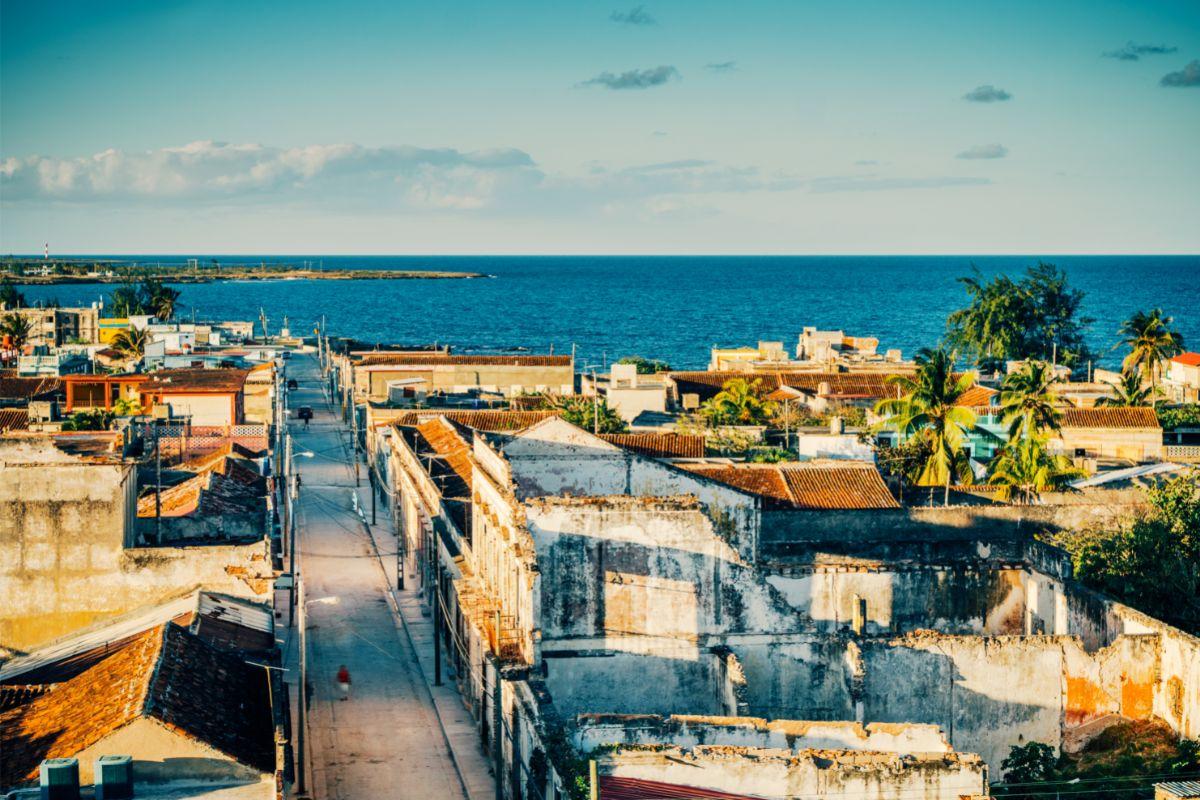 Here's a complete travel guide to Holguin, Cuba, where we'll show you everything this beautiful part of Cuba has to offer, and why you should visit Holguin when you visit Cuba.
Located at the eastern end of Cuba's northern coast, the province of Holguin and its namesake capital are among Cuba's best and most visited destinations for travellers.
One of the first regions of Cuba to be visited by Europeans, Christopher Columbus landed here in 1492 and declared Holguin "the most beautiful land that human eyes have ever seen".
Today, the province of Holguin is the third most populous in Cuba, after Havana and Santiago de Cuba, and the fourth largest city in Cuba. The city of Holguin is a transport hub linking the eastern extremities. Thanks to its international airport, many Cuban and international travellers pass through the city.
Monuments and architecture in Hogluin Cuba
Geography of Holguín, Cuba
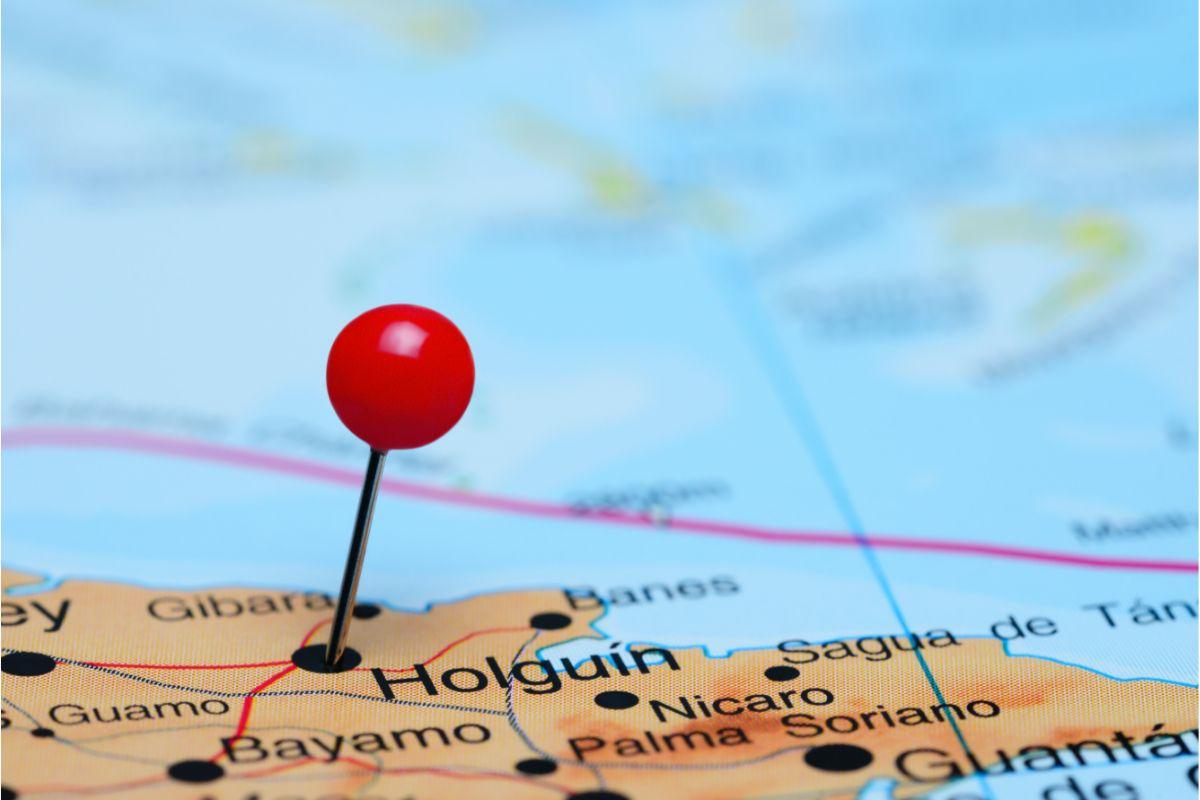 The geography of Holguín stands out for its authenticity, diversity and high level of sustainability; it is distinguished by its picturesque relief of great scenic value, where high mountain ranges combine with multiple speleological attractions, fertile valleys crossed by numerous rivers and fine sandy beaches, with seabeds of spectacular natural beauty, along more than 40 km of coastline of exceptional characteristics.
Holguín, founded in 1720 in a splendid valley crossed by two rivers, Jigüe and Marañón, is today full of history and charm.
The province of Holguín is located in the north-eastern part of the country, bordered to the north by the Atlantic Ocean, to the south by the provinces of Santiago de Cuba and Granma, to the west by the province of Las Tunas and to the east by the province of Guantánamo.
It is the fourth largest province in the country, covering an area of 9,292.82 km2. It has 14 municipalities, with more than half of its inhabitants living in urban areas. The population is 1,032,670, almost ten per cent of the country's total, with a population density of 111 inhabitants/km2, one of the highest in the country.
Nature in Holguín, Cuba
The considerable variation in the rainy season in Holguín, together with the diversity of rocks, soil types and island conditions that are also characteristic of our territory, have contributed, among other factors, to the existence of a high level of floral and faunal endemism, mainly located in protected natural areas.
Holguín's landscape is a collection of tangible, subjective and intangible elements, charged with cultural signs and symbols. It is a platform for dialogue between cultures and between man and nature.
Protected areas in Holguín
 The areas proposed and declared in Holguín's provincial system of protected areas include: 2 national parks, 1 ecological reserve, 1 nature reserve, 4 managed flora reserves, 2 outstanding natural features, 2 protected natural landscapes, 4 wildlife refuges and 1 managed resource protected area, making a total of 17 areas. Of these, 7 are of national importance and 10 of local importance.
Holguín, three centuries and more in the history of a city
On 4 April, Holguín celebrates the 301st anniversary of its foundation as a town, which coincides with the relocation and construction of a church on the site where the first mass was celebrated in 1720, to be called San Isidoro de Holguín, on the initiative of the governor of Bayamo, Bartolomé Silva y Tamayo.
Although Holguín is not as old as other cities in Cuba, it is one of the most attractive places in the east of the country, thanks to its cultured and enterprising inhabitants, its wide corridors and squares that merit the title of City of Parks, and its majestic Loma de la Cruz, a natural vantage point that identifies it among the country's other cities.
This fact is celebrated by the people of Holguin as one of their annual festivities.
The city renews its buildings, spaces, monuments and places that have written important pages in the history of the locality, including the Casa del Teniente a Gobernador, the residence of the first governor of Holguín, located in the central calle Morales Lemus, and the church of San Isidoro, built opposite the famous Parque de Las Flores, where the first mass was held, bearing witness to the birth of the locality.
This socio-cultural network is also notable for the Museo de La Periquera, a neoclassical building that preserves the history of the province and has been declared a national monument due to its artistic value and close ties with Holguín, as well as the birthplace of Calixto García Íñiguez, son of the famous patriot Lucía Íñiguez Landín.
Over the years, Holguín continues to boast the squares that have made it famous as a place to meet and socialise, as well as its deeply-rooted culture, elements that set it apart in the country and the world, and the excellent Holguínness that its inhabitants pride themselves on.
But what is "holguineridad", we might ask: something intangible, ethereal, but which can be appreciated in a series of values, manifestations and knowledge, in which art also plays an important role.
In addition to the 301st anniversary that we are celebrating this year, there is the desire to build a city that is more renovated, more cultured, more tourist-friendly, cleaner, more modern and more universal, with the aim of involving the whole population.
Crossed and protected by the Jigüe and Marañón rivers, the city celebrates 4 April from the protection and tranquillity of its houses, but also from its culture, identity, tradition and respect for history and the past; always on the way towards the necessary modernity.
Society of Holguín, Cuba
 The population of Holguín is descended from indigenous Indians, Spaniards and Africans (Congos and Carabalí) brought here as slaves, in a process of intense interbreeding. It's true that in contemporary Holguinero there are still certain traits from past eras that express a social aspiration, such as being vain, haughty, refined and elitist.
Today, these traits are reflected in elegant dress, lofty aspirations and slow speech. Holguín is said to have the best Spanish-speaking population in Cuba, one of the cleanest cities in the country, and a community of good hosts.
Over time, Holguín has developed into the important city it is today. Its urban appearance is dominated by a number of parks, which is why it is known by Cubans as the city of parks. It's a city of wide corridors and undulating roofs with cisterns to collect rainwater. A city of solid, straight streets.
Because of the exquisite and rigorous conservation of the colonial architectural structure, Holguín's parks are also like a beautiful lung of the local urban identity. Holguín is one of Cuba's most important cities due to its demographic, economic and cultural weight, and is home to more than a million Cubans.
Traditions and customs of Holguín, Cuba
All those who feel and speak proudly of the province refer to Holguín's greatest festive tradition, the Romerías de Mayo (May Pilgrimages). This is where the city is adorned with the heights of the Loma de la Cruz and where tradition and modernity merge in what could well be called the capital of young art.
With the desire to make the motto "Because there is no today without yesterday" a reality, the enthusiasm of the young people of the "Hermanos Saíz" association is reviving this Hispanic heritage to unite the new with the old, and go beyond the cultural limits of the Cuban archipelago.
When should you visit Holguin, Cuba?
 Holguín is a great destination to travel to all year round, with the best weather in January, February and March.
If you are going to visit Holguín, remember that the hottest months are:
August (day: 34℃ / 93℉, night: 23℃ / 73℉).
June (day: 33℃ / 91℉, night: 23℃ / 73℉)
July (day: 33℃ / 91℉, night: 23℃ / 73℉).
The coldest month is January, with temperatures between 19℃ / 66℉ at night and 29℃ / 84℉ during the day.
In Holguín, the likelihood of rain is highest in:
October - 44%.
September - 40%.
June - 39%.
The wettest month of the year is August.
The highest humidity is in May and the lowest in March.
Please watch out for tornadoes during your stay in Holguin, they can occur in: January, November, December.
Overall travel experience in Holguín by season
- Spring (March to May)
Humidity and temperatures combine to make this season hot. Maximum temperatures range from 31.8°C (89.3°F) to 28.2°C (82.8°F), with warmer temperatures in the later months. Rain is rare, with 2 to 6 days of significant precipitation per month. Spring is the second busiest month for tourism, making it a good time for those looking for things to do.
- Summer (June to August)
These are the middle months of the year which enjoy very comfortable weather with high temperatures that are quite warm. These months see moderate rainfall with 4 to 7 days of precipitation per month. The period from June to August is a fairly slow season for tourism in Holguín, so accommodation and other forms of accommodation can cost a little less.
- Autumn (September to November)
In autumn, daily maximum temperatures vary between 32.9°C (91.2°F) and 28.4°C (83.2°F), which is very pleasant considering the humidity and wind. It rains or snows a lot: 5 to 9 days a month. Tourism is slowest during these months because of the weather, so hotels can be affordable.
- Winter (December to February)
The weather at this time of year in Holguín is perfect for warm-weather travellers. Average maximum temperatures during this season range from 29.2°C (84.6°F) to 28°C (82.4°F). On average, it rains or snows fairly often: 3 to 5 times a month. These are the busiest times of the year for tourists.
Verdict
Holguín is considered to be one of the hottest places on the planet. The average temperature over the year is : 31℃ / 87℉. If you prefer warm, dry days, Holguín is the ideal place to spend your holiday. The warm and not too humid months are: January, February, March, April and May.
Getting around Holguín, Cuba
Transport in Holguín, Cuba
- Holguín airport : Frank País airport serves the city of Holguín, in the province of the same name in Cuba. It offers international destinations such as Miami, Tampa, Toronto, Montreal, Panama City, Fort Lauderdale, Manchester, London, Frankfurt, as well as domestic flights to Havana and Cayo Coco.
- Viazul :
The Viazul Holguín bus terminal connects you to the country's main tourist destinations, in buses of great comfort and with the great professionalism of its workers.
- Car, motorbike and bicycle hire:
There are several rental agencies in the province. A driving licence is required.
- Taxis:
Taxis are plentiful throughout the city and can be hailed at hotel entrances or on the street. All the cars are equipped with meters and are very fast and colourful.
- Ferrocarriles de Cuba:
The Cuban state-owned company dedicated to passenger and freight rail transport throughout the island, and by extension, Cuba's public-use rail network.
- Urban buses :
Bus service with routes for urban and suburban lines from the municipality of Holguín to Ida y Retorno.
- Connect Cuba :
This option allows you to travel throughout Cuba by bus. With stops at hotels along the length and breadth of the island.
- Bus tours:
The first interesting option for getting around is a roofless tourist bus that travels the north coast of Holguin, the Beach Tour, and operates with the hop on - hop off system. It stops at hotel facilities and sites of tourist interest included in the hub.
- Tourist trains:
If you stay at the beach hotels in Holguinero, you can take advantage of tourist train excursions, which leave in the morning from the hotels to the community of Aldea Taina, Casa de Campesino and Boca de Samá.
Hotels, where to stay?
To the east of Cuba lies Holguin, the name of both the province (the third largest in the country) and its capital. Covering an area of around 650 km², this city boasts an interesting diversity of landscapes, from mountains to beautiful beaches and seemingly endless plains.
Undoubtedly one of the must-see destinations in Cuba on any itinerary through the best of the country. To help you enjoy your stay in Holguín Cuba, here is a list of some hotels to help you choose your accommodation and have a great time.
Hotels and accommodation in Holguín, Cuba
Your comfort is guaranteed at hotels in Holguín. A network of hotels offering you 40 km of beautiful beaches, pleasant greenery and the cool waters of a tropical climate, in addition to the always pleasant stay in the Cuban city of parks.
85% of the facilities will allow you to enjoy the sun and the beach, 10% will make it easier for you to visit the city and the remaining 10% will offer you the exclusivity of living in harmony with nature.
This diversity of offers is possible thanks to the management of Cuban operating groups such as Cubanacán, Gaviota and Islazul, associated with prestigious international companies such as Iberostar, Meliá, Aston and Gran Muthu Hotels and Resort...
Here is a list of some of the hotels in Holguin Cuba :
4-star Brisas Guardalavaca Hotel
Playa Guardalavaca, Banes - 12453 - Holguin, Cuba see map
Zone: Playa Pesquero
 Hotel Brisas Guardalavaca is a comfortable 4-star hotel located within walking distance of one of the most beautiful beaches in Holguin, Cuba. This resort offers a wide range of services designed for families with children, couples, singles and groups of friends.
The Brisas Guardalavaca offers a variety of room types, all tastefully decorated and equipped with modern amenities including air conditioning, TV, minibar, direct dial telephone (available at an additional cost) and private bathroom with hairdryer.
The hotel has bars and restaurants where you can enjoy the best Cuban and international dishes.
What's more, you'll find everything you need to relax and enjoy a peaceful stay: swimming pools, games rooms, discos and the chance to take part in a wide range of non-motorised water sports.
Active guests can also count on a well-equipped gym to keep fit even on holiday, while children are kept entertained by a rich entertainment programme designed for children aged 4 to 12.
Guests staying at the Brisas Guardalavaca can also rent cars and bikes. Approximately 10 km from the Brisas Guardalavaca is the indigenous village of Taína and the Chorro de Maíta Museum, an archaeological site where the remains of an ancient village and an indigenous cemetery from the early 16th century are preserved.
Hotel Memories Holguin Beach Resort 4 stars
Carretera a Guardalavaca, Playa Yuraguanal Municipality Rafael Freyre - Holguin Province - Holguin, Cuba see map
Zone: Yuraguanal Beach
 The Memories Holguin Beach Resort is reminiscent of a late 19th-century Spanish country residence. One of the most interesting aspects of this complex is that the pools are connected by waterfalls.
The hotel is fully adapted for disabled guests. Guest services include: evening entertainment, shops, babysitting service, laundry service, spa, a variety of restaurants and bars.
This 4-star resort is surrounded by lush greenery and covers an area of over 27 hectares.
Naranjo Bay and Bariay National Monument Park are also well worth a visit. Fast internet access is available at an additional cost.
Hotel Sol Rio De Luna Y Mares 4 stars
Crta. De Guardalavaca - Playa Esmeralda - Holguin, Cuba see map
Zone: Playa Esmeralda
 This hotel is ideal for family holidays and has a total of 464 rooms, 2 of which are adapted for disabled guests, 6 are junior suites and 11 are suites. It has air conditioning, a safe and a currency exchange service.
A bar, games room, disco and internet access are also available. A laundry service and a medical assistance service are also available. A car park is also available.
Whether you stay in a casa particular or an all-inclusive hotel in the Guardalavaca area, be sure to get out and experience the reality of life in Cuba as you explore Holguin's main cultural attractions.
Monuments and architecture in Hogluin Cuba
Holguin's architectural treasures
A survey sponsored by the Society of Architecture of the National Union of Architects and Construction Engineers of Cuba, UNAICC, in Holguín, has identified the 10 works that the city's residents consider to be its Treasures.
They were: the La Periquera Museum, the Eddy Suñol Theatre, the San Isidoro Cathedral, the Calixto García Park, the Market Square, the Alex Urquiola Library, the house where Calixto García was born, the Loma de la Cruz Park, the Lieutenant Governor's House and the Calixto García Stadium.
Museo de la Periquera
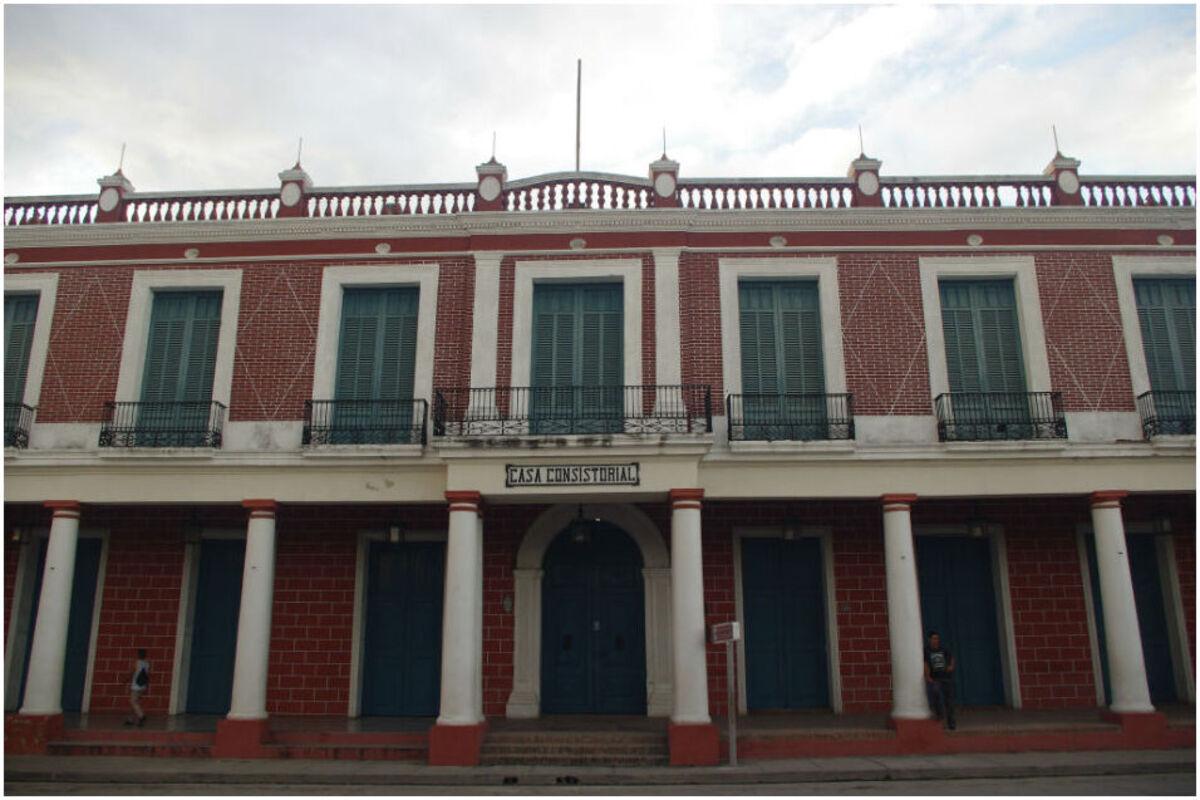 A symbol of the city, this multi-purpose museum houses collections from all over the provincial jurisdiction of Holguín. It has been declared a national monument for its architectural values and its links with all local events since its beginnings. Its style is neoclassical, with large arcades and spacious rooms.
The Spaniard Francisco Rondán, known at the time as the richest man in Holguín, built his residence between 1860 and 1868, opposite the Plaza de Armas (now the Parque Calixto García).
Little did the wealthy owner imagine that his magnificent mansion would become known over the years as La Periquera, which would be linked to important historical and cultural events in the colony and the first 59 years of the Republic.
One of the anecdotes linked to this name tells us that, during the siege of the city by the Liberation Army, when the insurgents saw a Spanish soldier leaning out of the windows of the imposing family structure, they shouted, with typical Cuban humour, "Get out of the cage, parakeets", in reference to the brightly coloured Spanish uniforms. The building is still known today as La Periquera.
It is also worth noting that for over a century, La Periquera was the seat of government for the province of Holguín. Its neoclassical-style rooms, its architectural values in general and its central location made the building an essential venue for events and meetings for over a century.
It later became a museum. The building was and still is known as "La Periquera".
Eddy Suñol Theatre
 Inaugurated in 1939, the Eddy Suñol Theatre is a work of great architectural prestige, with broad socio-cultural repercussions, whose design breaks with the traditional atmosphere of the Parque Calixto García and its surroundings.
The project was designed to be used for different types of cultural shows and as a cinema, with the most important companies and national and international personalities who have visited Holguín parading on its stage.
This theatre was and remains the most important in the city and is considered the city's most important cultural work.
In 1959, Raúl Camayd, an emblematic figure in Cuban music, created the Teatro Lírico Rodrigo Prats, with its headquarters in the Teatro Eddy Suñol.
The theatre took the name Eddy Suñol in the 80s of the last century, as a tribute to the exceptional work of this Holguín man in the underground struggle in his home town and as a rebel fighter with the IV Eastern Front during our last and definitive war of liberation.
Cultural centres in Holguin Cuba
If you take a stroll through the streets of the beautiful city of Holguín, don't stop for nothing, as you'll have plenty of reasons to appreciate its history and culture. If you are one of those people who appreciate the history of a city told through the beating of the walls of its monuments, go and see the proposals that exist in the very centre of our city.
During the day you'll find plenty of history, but the night can be more interesting and dynamic if you spend your time exploring the options offered by our nightlife, cultural and recreational centres.
Calixto García Park
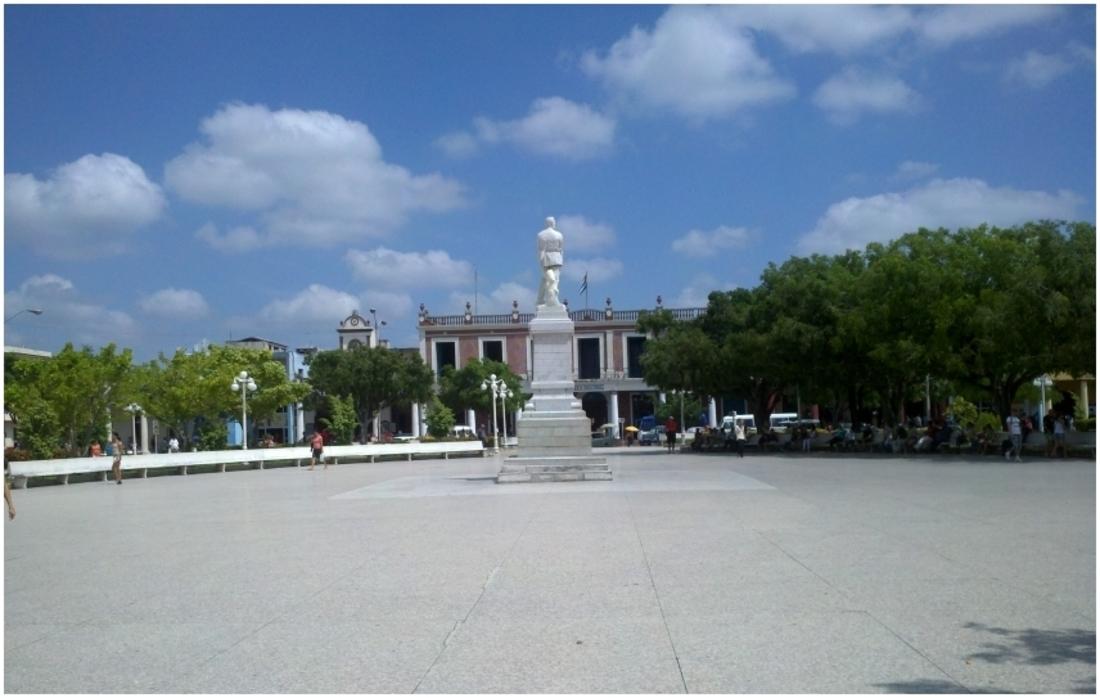 The centre of life in Holguín. The main shopping centres were founded in its vicinity. Originally, it was used for military purposes, as a parade ground for the Spanish garrison.
Hill of the Cross
 It used to be called Cerro del Bayado. Its name was changed on 3 May 1790, when Friar Antonio de Alegría placed a large cross on its summit to frighten off the demons and launch a Catholic pilgrimage: the Pilgrimages of the Cross. It is reached by a long staircase of 458 steps, built between 1927 and 1950.
Carlos de la Torre Huerta Provincial Natural History Museum
 This museum houses one of the most important collections of ornithology and malacology in the country and the Caribbean. It is the city's most eclectic building.
Opening times: Tuesday to Sunday: 9am - 12pm --- 1pm - 5pm.
Provincial Fine Arts Centre
Five exhibition rooms with monthly exhibitions.
Opening hours: Tuesday: 13:00 - 17:00 / Wednesday to Sunday: 10:00 - 21:00
Calixto García Birthplace Museum
Here you can discover the life of Major General Calixto García through manuscripts, personal objects, weapons from the era and memorabilia jealously guarded in each of the rooms of the former García-Iñiguez family home.
Opening hours: Tuesday to Saturday: 9am - 5pm / Sunday: 6pm - 11pm
Eddy Suñol Main Theatre
Home of the Rodrigo Prat de Holguín Lyric Theatre. Located in the centre of the city of parks, it has three halls, the main one with 836 seats, the alternative with Alberto Dávalos with 205 and the Ismaelillo with 350. Plays, concerts, galas and shows are performed from 9 p.m. Tuesday to Saturday and at 10 a.m. and 5 p.m. on Sundays.
Open: Tuesday to Saturday: 10am - 5pm / Sunday: 9pm.
*According to the schedule on the notice board.
San Isidoro Cathedral
 Eighteenth-century building housing Holguín's highest ecclesiastical institution; consecrated as a cathedral in 1979.
Church of San José
Located in one of the city's most peaceful parks, this church is one of its most important architectural monuments. It was completed in 1815, but successive alterations have given it the more robust appearance of the neoclassical style.
Plaza de la Marqueta cultural centre
 The Plaza de la Marqueta is a distinguished cultural, commercial and historical space located in the historic centre of the city of Holguín. It was inaugurated in 1848 and is currently one of the city's cultural attractions.
The corridors include an old printing press, bazaars for displaying and selling the works of craftsmen, artists and writers, an engraving workshop and an art gallery.
In the 19th century, the site was Plaza O'Donell. In the twentieth century, the market was built and, later, ceramic kilns and workshops were installed here until 2000.
Gibara, Villa Blanca de los Cangrejos, Holguín :
 Given the urban and landscape values of the group of important buildings of high heritage value that it preserves, the National Monuments Commission declared the historic centre of Gibara a National Monument in 2004.
Gibara Art Museum - Colonial Museum
 It has a valuable collection of Spanish court session books and exhibits the customs of the 19th century and the first years of the 20th century, the presence of decorative arts reflecting an era (furniture, decorative glass pieces, tiles and porcelain, lamps, etc.) and the artistic values of the building from an architectural point of view in the neoclassical style.
Address: Independencia # 19 between Luz Caballero and J. Peralta. History Museum (upper floor), Gibara. Holguín.
Joaquín Fernández de la Vara Natural History Museum.
 The museum has several rooms: ornithology, reptiles (sea turtles), mammals, molluscs and snails, a collection of local seeds and wood, a mini botanical garden, geology and the seabed.
In the museum, there is the skeleton of a whale caught in the bay by a group of fishermen, considered to be the best assembly in Cuba.
Address: Luz Caballero No.23 e/ Independencia y Sartorio. Municipality of Gibara. Holguín Prov.
Opening hours: Tuesday to Saturday, 9am to 12pm and 1pm to 5pm. Sundays from 9.00am to 12.00pm. Monday from 13:00 to 17:00.
Los Caneyes viewpoint
 Situated on the Loma de La Vigía, where there has always been a cross, this is a balcony overlooking the city, as well as the remains of part of the city's defensive system.
It stands 23 metres above sea level, marking the boundary between the historic centre and the rest of the city. The images it projects are of great scenic value, with a mixture of elevations, sea and old town.
Gastronomy - where and what to eat
If you've come to Cuba, you'll have the chance to sample the tasty dishes of Cuban cuisine. It's a unique yet diverse art form, exclusive to each region of the country. In Holguín, your palate will be spoilt for choice by the gastronomic services offered in the cafeterias, restaurants, bars and all the facilities specialising in the delicious cuisine of Holguín.
A cuisine that could be described as ajiaco divino. A dish that offers at least a delicious pinch of everything and is essentially Creole. It's a delightful combination of ingredients simmered together with African, European and Aboriginal ingredients. Holguín is inspired by Cuba's rich culinary culture to wish you a very bon appétit!
Here are some good restaurants in Holguin Cuba:
1910 Restaurant & Bar
 First enjoy Parque Peralta (Parque de las Flores), then grab a bite to eat at 1910 Restaurant & Bar. This restaurant offers excellent Caribbean and Cuban cuisine.
Many visitors think that here you can enjoy mouth-watering grilled prawns, amazing pork chops and well-prepared monkfish.
In this establishment, its customers enjoy delicious delicacies and well-prepared parfaits. Start your meal with a sensational wine, a spectacular piña colada or a great rum. You can't miss their unbeatable coffee or delicious fruit juices when you come to 1910 Restaurant & Bar.
All you need for your family holiday is a comfortable place with a beautiful interior. Most guests remark that the staff are very active.
Their attentive service will make you feel special. According to the users' point of view, their prices are adequate. This place has a Google rating of 4.7 according to its customers.
Restaurant - Bar - Grill de San José
San José's Natural History Museum and Restaurant - Bar - Parrillada are both worth a visit. Enjoy Caribbean and Cuban cuisine, combining many elements from different culinary traditions.
It's a good idea to order a unique monkfish, a tender parrillada and a tempting leg of lamb. If you like wine, order it here - it's sensational here.
The excellent location of the San José Restaurante - Bar - Parrillada makes it very easy to reach by any means. The success of this place would not be possible without the friendliness of the staff.
Their dedicated service is always a pleasure. You will be surprised by the reasonable prices of this place. You will find an interesting atmosphere. A 4.1 is what this restaurant received according to the Google rating system.
Room 1720
 You can come to this restaurant after seeing the Museo Casa Natal Calixto Garcia. The key to Salón 1720 is its Caribbean and Cuban cuisine.
If you're hungry, come here for their homemade fish, amazing prawns or well-crafted pork. Enjoy a spectacular wine, extraordinary mojitos or an excellent piña colada in this place.
The warm atmosphere of this place allows its customers to relax and have a good time. See for yourself how competent the staff are. This restaurant offers fast service to its customers.
The prices are affordable for the quality they offer. Salón 1720 has a Google rating of 4.4.
Cafeteria La Begonia
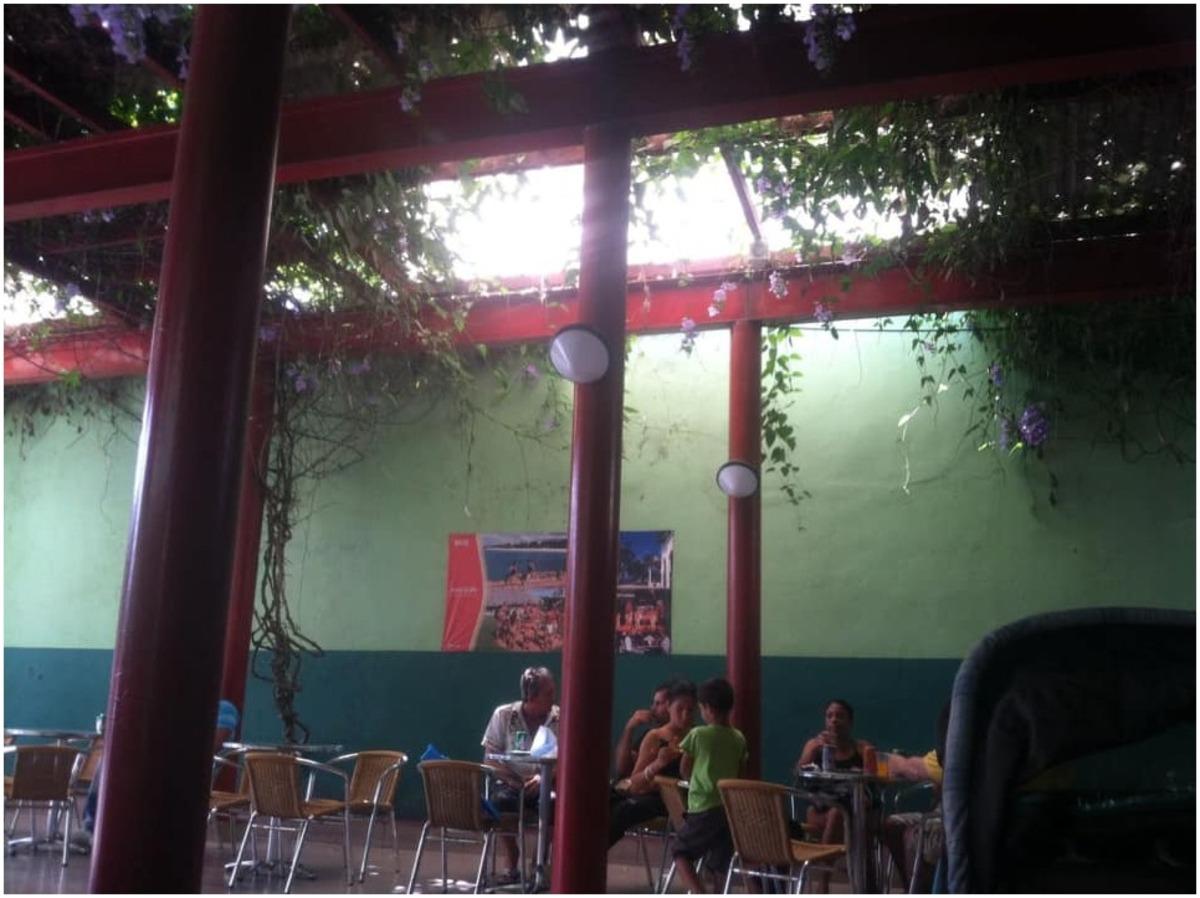 Eating in this café, with its magnificent views over the Parque Calixto Garcia, is a wonderful opportunity for visitors. Many customers think their sandwiches are well made. In Cafeteria La Begonia, you can drink an extraordinary beer. They offer their customers different varieties of their spectacular coffee.
The location of this place makes it very easy to reach by any means. The staff here are admirable, and that's what makes this place so good.
Their dedicated service will make you feel special. From the users' point of view, their prices are affordable. Most of the time, you'll find an interesting atmosphere. But this café received a below average rating on Google.
Restaurant La Torre
 Imagine you've finally arrived at Restaurante. La Torre. after visiting the Parque Calixto Garcia. Caribbean and Cuban cuisine is what attracts customers to this restaurant. According to user reviews, the waiters offer amazing seafood, tasty steaks and mouth-watering spaghetti. When you visit Restaurante. La Torre, you must try their spectacular beer or excellent wine.
The ideal location of this place makes it very easy to reach, even at peak times. Most visitors say the staff are great. Sophisticated service is always an important point. We know that the prices here are reasonable.
In this place you can enjoy comfortable decoration and an exotic atmosphere. Facebook users have given this restaurant a 5-star rating, so it's very likely to meet all your expectations in terms of service and food.
Events in Holguín, Cuba
You'll find opportunities to meet and discover the idiosyncrasies of the people of Holguín through various festivities throughout the year. Come and enjoy all the possibilities on offer, from the most traditional or modern art to the most autochthonous of this destination's cultural life.
A pleasant option to facilitate your enjoyment is the only agency in Cuba specialising in cultural tourism: Paradiso, which puts the immense potential of Cuban culture at your disposal, so that you can experience it in an undeniable way.
Satiricón youth comedy festival
 This event takes place from February to March and features performances by leading practitioners of the genre. Humour, when it's art, gets people thinking and helps build society, because "what everyday life hides from us, humour takes and makes bigger".
National Youth Theatre Festival
During the month of March, the two halls of the Eddy Suñol Theatre and the Plaça de la Marqueta are theatres for the performing arts. This festival showcases the wide range of approaches and ways in which theatrical events can be experienced.
It also offers its usual theoretical space, which takes place at the headquarters of the Asociación Hermanos Saíz (AHS).
Cueva de los Panaderos Film Festival in Gibara
 Held in March. The only festival in Cuba to be held in a cave since 2009, it has become a local tradition and a community festival.
International Scientific Conference at the University of Holguín
This biennial event, held in April each year, attracts professionals from home and abroad and is structured around eight symposia covering the university's main areas of research, development and innovation.
The aims of the event are to
- To provide a forum for scientific debate, where experiences related to the themes of each symposium are exchanged.
- To disseminate the results of research related to the symposium themes.
- To encourage inter-institutional cooperation, promoting the joint development of training, research and development projects.
May pilgrimages
From 2 to 8 May. It recalls the tradition started by the Franciscan Francisco de Alegrías, when he planted a wooden cross on the peak that is now known as Loma de la Cruz.
This is the main event organised by the Hermanos Saíz association in Holguín. It brings together the best in young art from Cuba and other countries.
Gibara International Film Festival
 Promotion and theoretical discussions on alternative and avant-garde aesthetic cinema, made with minimal resources. Created by filmmaker Humberto Solás, director of the memorable film Lucia, it brings together prestigious artists from the genre every April in Gibara.
Workshop on biodiversity and tourism, Biotur
A natural tourism event held in eastern Cuba in July that promotes theoretical exchange and organises visits and excursions to various sites of historical, cultural and tourist interest in the Villa Blanca de los Cangrejos, Gibara and other parts of Holguin.
Stereo-G National Electronic Music Festival
 "The magic of Stereo-G cannot be described, only discovered. Sponsored by the music branch of the Asociación Hermanos Saiz (AHS) in Holguín and the Electrozona project, from 3 to 5 August fans and representatives of the genre gathered in the coastal community of Caletones, in the municipality of Gibara, Holguín.
Codanza North Atlantic Dance Competition and Vladimir Malakhov Grand Prix
They compete in classical, neoclassical and contemporary dance, in the categories of 'interpretation', 'choreography' and 'best company direction'. It will be held from 23 to 29 September at the Eddy Suñol Theatre in Holguín, Cuba. There will also be an awards gala on 29 September.
Festival of Ibero-American Culture
 This is held every year from 24 to 30 October. The festival is a project that brings together theoretical, artistic, community and socio-cultural events that promote dialogue, exchange and solidarity.
National meeting of son groups
Sound is identity, Cuban identity, and it is also the rhythmic cell of the nation, the sonic element that unites and identifies the new generation as a country.
With the aim of encouraging these young people in Cuba and all those interested inside and outside the country to enjoy the authentic sound of the Cuban archipelago.
Best beaches in Holguín, Cuba
Holguín has established itself as one of the country's main tourist centres thanks to its many natural attractions, including the magnificent beaches on the north coast.
If you want to disconnect from the world and enjoy a heavenly environment. There's no better place than the magnificent beaches of Holguin. Surrounded by the crystal-clear waters and white sands of Holguin's north coast, you and your family can enjoy the best of both worlds. Visit the 5 best beaches in Holguín.
Esmeralda Beach
 One of the best places to start your visit to Holguín's beautiful beaches is Playa Esmeralda, one of Cuba's main beaches. Formerly known as Estero Ciego Beach, it is located just over five kilometres west of Guardalavaca.
Surrounded by white sand and crystal-clear waters, Playa Esmeralda is a romantic, relaxing and idyllic spot!
Its waters are an intense shade of green where you can see the bottom and swim in complete safety, which is why so many tourists come every year to snorkel and scuba dive, for the beauty of the different coral formations that lie beneath the warm waters of Playa Esmeralda.
Playa Pesquero Beach
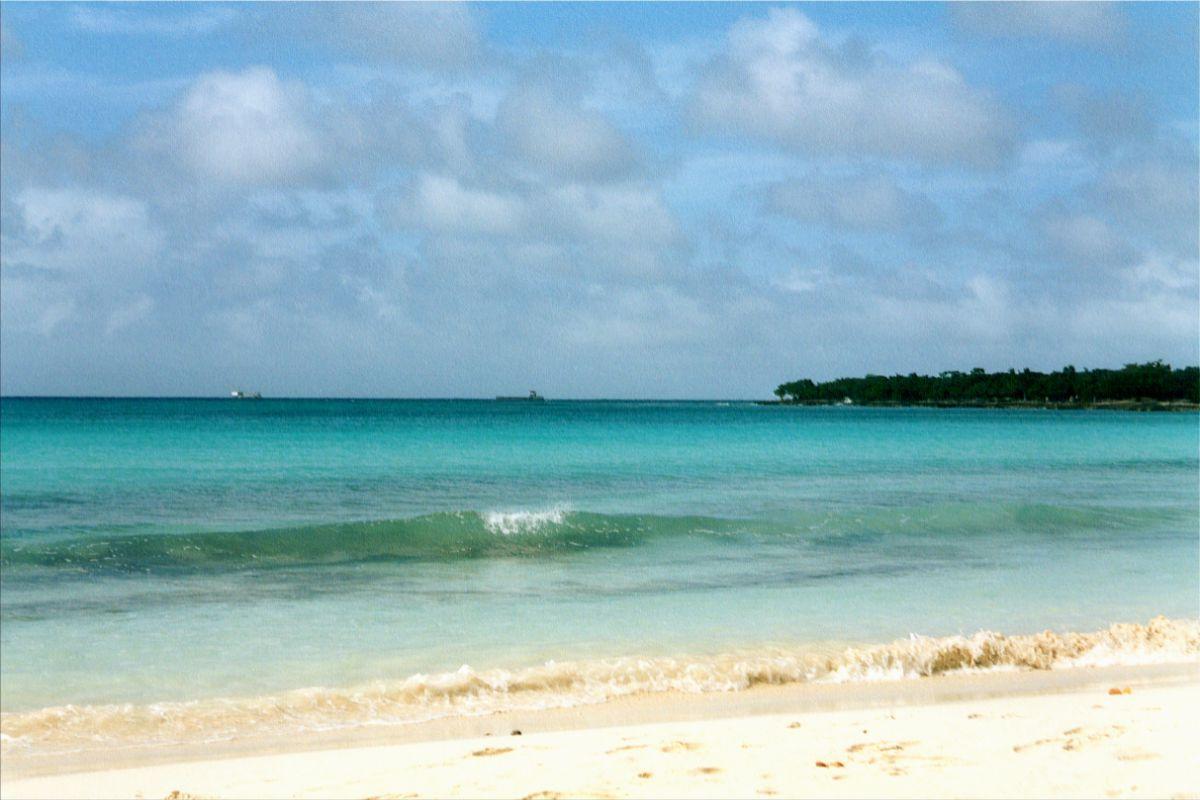 If you want to relax, Playa Pesquero is everything you want. Diving is very popular, especially to take advantage of its coral reefs. Playa Pesquero is located in the municipality of Rafael Freyre and is one of Holguin's main beaches.
The beach is very satisfying. It is made up of white sand, turquoise waters and shallow waters, perfect for diving and enjoying this Cuban environment, as it is protected by a vast coral reef, escarpments, large cliffs and abundant exotic vegetation that runs through the area.
Guadalavaca Beach
 Guardalavaca is part of the municipality of Banes and is considered Cuba's third most popular tourist spot (after Varadero and Havana). It is one of the best beaches in Cuba. The coastline is shaped like a shell, with fine white sands perfect for walking and, around 1,200 metres to the north, it is surrounded by a coral reef, which makes for serene waters.
Guardalavaca beach is one of Cuba's most important sites. It was also one of the first ports to be visited by Christopher Columbus, who was delighted. Today, an image of the conqueror, who always believed in the beauty of the region, is displayed on the beach.
In this area you can be surrounded by peace and tranquillity and enjoy sunbathing, various water sports such as diving, windsurfing, kayaking and boat trips. Another popular activity is hiking.
The best thing about this coastline is that you will be in contact with an overwhelming nature, surrounded by mountainous reliefs and winding paths, perfect for horse riding or hiking. All these natural features make Guardalavaca one of the main beaches in Holguín and the whole of Cuba.
Don Lino Beach
 Don Lino Beach is a welcoming place to enjoy a rest surrounded by a paradise of fine white sand and transparent waters. It is part of Villa Don Lino, located just a few kilometres from the coast of Guardalavaca and Pesquero beach.
This beach, only 50 metres wide and around 285 metres long, is renowned for its charm and enjoyment. It is also surrounded by native vegetation characterised by grapes and palm trees. It's a charming place to enjoy a few days in Cuba's eastern territory.
Beaches of Cayo Saetía
 If you want to disconnect from all the stress and bustle of the city, we recommend Cayo Saetía, a 100% natural environment bathed in extraordinary tranquillity.
Cayo Saetía is located near Nipe Bay, the perfect place to leave the world behind. Its turquoise waters and lush vegetation make it feel like a desert island.
In this paradise, you'll also be in touch with nature, as you'll find Cayo Saetía National Park, home to exotic species of buffalo.
A self-guided tour is not recommended, but if you want to see all these wonders, you can hire a jeep to drive around the area.
This is a pristine area, as the ecological reserve is home to endangered species. This coastline has an 8-kilometre-long beach and a coral reef that protects a wide variety of fish, a perfect area for scuba diving.
To get to the key, you need to take a catamaran for a one-hour trip.
On the beach, you'll find a ranchón offering a varied menu of Cuban food including delicious congrí rice and pork. You can also enjoy Cuban cocktails.
If you want a different world, we recommend this Cuban place, come and you'll love it.
The tourist packages allow you to discover Caribbean sites on Cuba's north coast, of high natural, cultural and historical value, in itineraries that reach the Chorro de Maíta archaeological museum and the Taino village, as well as Gibara, a fishing town with well-preserved colonial architecture.
For nature lovers, sunset on these beaches is a unique experience, contrasting the green of the vegetation with the blue of the sea on the small strip of beach.
Nightlife in Holguin Cuba
In Holguin, there are many parties in the city centre. There are bars that are more like the older parts of the city, with different styles of music.
Then there are the trendy discos, where most people go to end the night.
In this city, you won't even meet the jineteros, which is a good thing. Most of the bars are around Central Park. There are a few bars and nightclubs, so it's a mix, here are a few:
Nightclub Carretera a Las Tunas (west) km. 2,5
 The best cabaret in Holguín, which, although not up to Tropicana standards, costs 2CUC instead of the 70CUC of its Havana counterpart. It is located on the central road towards Las Tunas, about 4km from the town of Holguín.
Beers cost 1CUC and bottles of rum and soda to mix cost 6CUC. As usually happens in cabarets, at the end of the show the place turns into a disco and people start dancing on the dance floor.
It closes around 3-4am and the truth is that it's pretty good.
House of Music Frexes Esq. Libertad
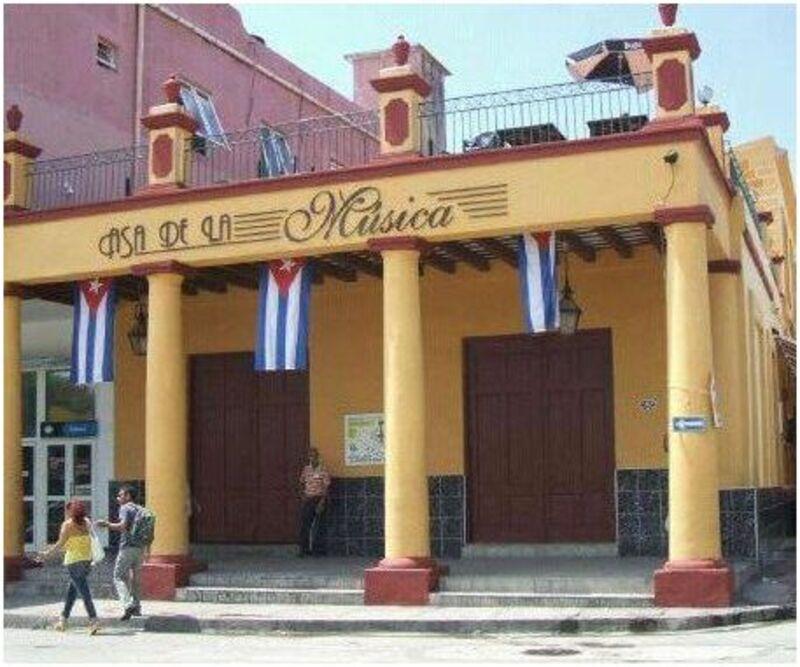 Holguín's most popular disco. It is undoubtedly the most touristy and the most visited by older people. Shows are usually given by traditional Cuban musicians, such as merengue, bolero and others. But there are also performances of more modern music, depending on the day.
Sometimes the show is a fashion show instead of a concert, which is very typical of Cuban nightlife...
Drinks are more expensive than in other nightclubs.
Casa de la Trova El Guayabero Maceo e/ Martí y Frexes
This is similar to the previous one, but a little more traditional. It operates in the same way, with performances and shows, mainly by musical groups, and when they finish, the party starts.
It is also open during the day and you can enjoy a drink while listening to Cuban music. It is located in the Parque Calixto García and if you go out in Holguín, you are sure to find it.
The audience is made up of tourists and Cubans, everyone mingles and the atmosphere is very pleasant. Live shows that you can watch from the tables while you have a drink, then a disco.
It's not as well known by tourists as the previous ones we mentioned. There are also swimming costume parades and the like.
EL Pétalo. Hotel El Bosque Avenue Jorge Dimitrov
Located in the Hotel Islazul El Bosque. In Cuba, it is very common for hotels to have discotheques and for these to be full of people at weekends, unlike in other countries where the hotel discotheque is a total bore.
El Pétalo is a conventional disco, with loud music and dancing. You'll love it if you're in the mood to party.
La Terrasse Hotel Pernik Avenue Jorge Dimitrov
This is the busiest nightclub in the Hotel Pernik. Here, tourists and Cubans share the space and the dance floor until the early hours of the morning.
It tends to fill up at weekends and usually hosts DJs whose electronic music contrasts with that to which Cuba is accustomed.
Gabinete Caligari On Plaça Calixto García
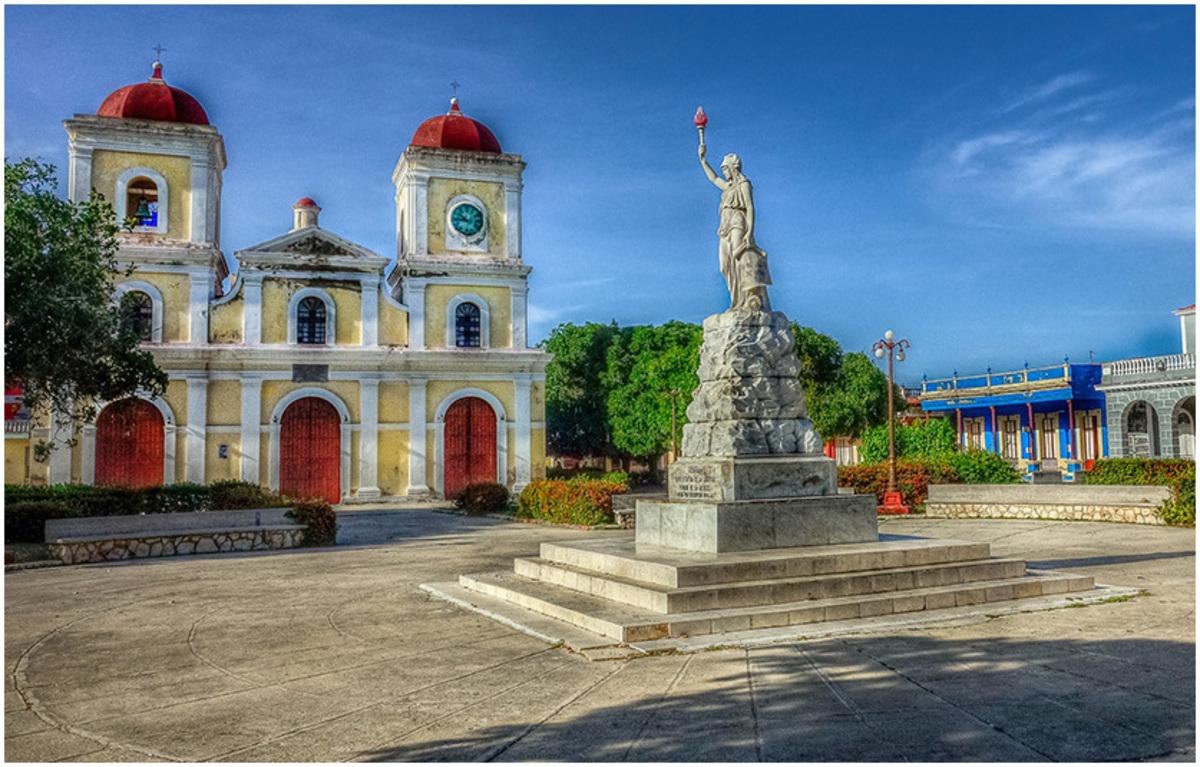 The patrons of this bar are young people wearing Metallica, Guns n Roses and other t-shirts. They have a laptop and they play the songs. Now, they also like electronic music, but they certainly don't play reggaeton.
It's in local currency and beers cost 8 CUP (0.30CUC) and bottles of rum 60CUP (2.40CUC). As always, the best bars and those with the best music are the cheapest...
La Roca Beach in Guardalavaca
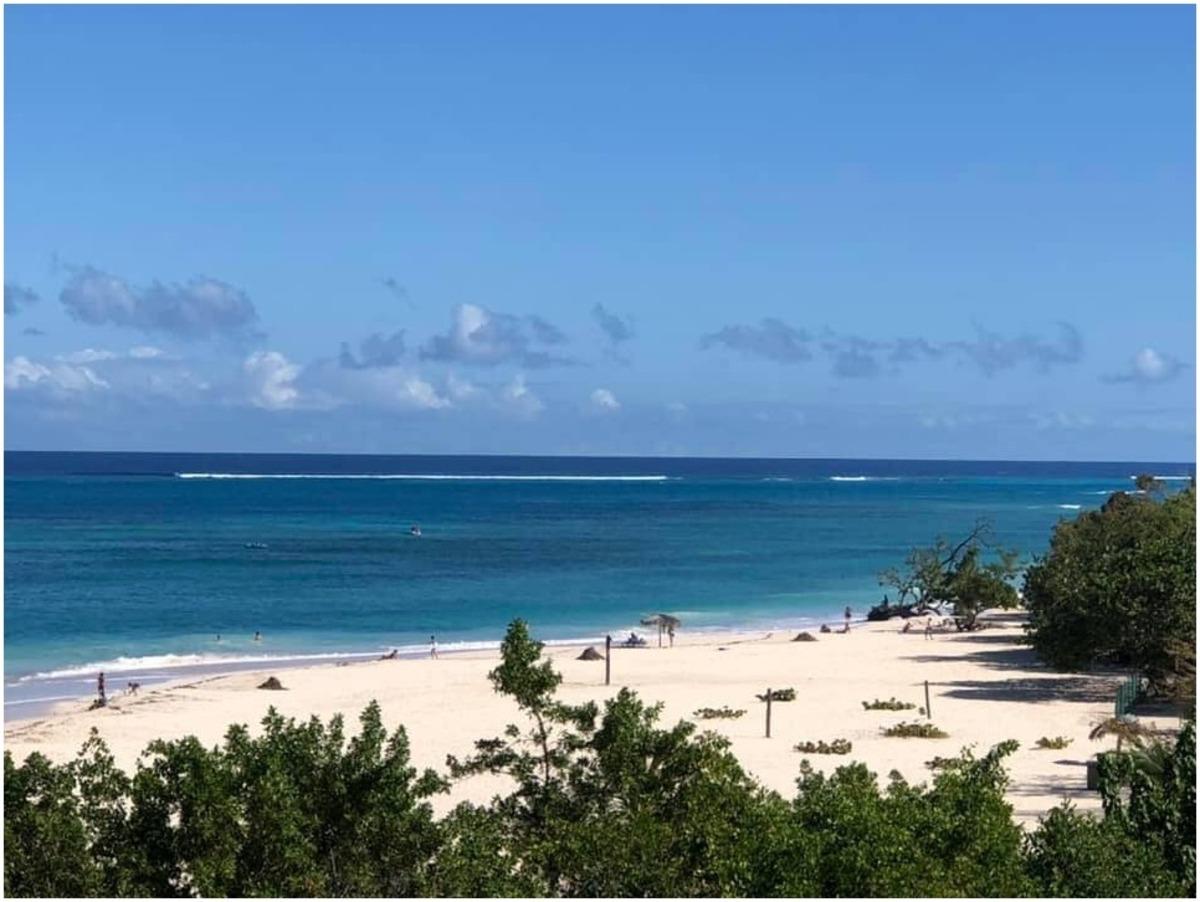 Guardalavaca beach also has places to dance and party. At La Roca, you'll find people from Guardalavaca, Yaguajay and the surrounding villages, as well as tourists from hotels who don't come to town to party.
It costs 5CUC and is a real beach disco by the sea with an open-air area. Have you ever partied in the beach bars of Torremolinos, Café del Sol, Los Alamos and others? Well, this is the style.
Shops in Holguín, Cuba
Samples of what con